

MS2N04-C0BTN-CMSH1-NNNNE-GE080N2012AN-NN Bosch Rexroth Indramat
Wake Industrial LLC is not an authorized distributor of this product.
MPN: R911389256
No Tariffs On US Orders- Straightforward Pricing: No Rush Fees, No Credit Card Fees
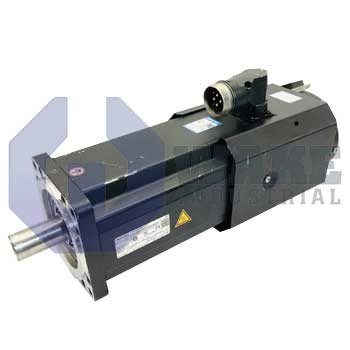
The MS2N04-C0BTN-CMSH1-NNNNE-GE080N2012AN-NN Servo Motor is manufactured by Bosch Rexroth Indramat. This motor has a winding of 6,000 min with a Multiturn encoder design. This motor is Equipped with a holding brake, it has a Smooth, no shaft seal shaft, and a M23 Single-Cable connection, turnable electrical connection.


To contact sales for pricing and lead time:
Payment Methods


Shipping Methods


Our Credentials


Product Description:
The MS2N04-C0BTN-CMSH1-NNNNE-GE080N2012AN-NN from Rexroth Indramat is designed for high-speed drilling applications as it can rotate at the maximum speed of 6000 rotations per minute. This motor along with its speed can also generate a considerable amount of torque force while rotating around 13.05 Nm at the maximum speed. The servo motor also has low inertia with a rotor moment of inertia of 0.00014 kgm² allowing it to accelerate and decelerate very quickly, providing a quick response time.
This AC motor comes with an IP 65 protection rating that ensures this motor remains dry and safe from dust when installed in an open area. To mount this motor, the MS2N04 usually relies on flange type mounting option, and for this particular motor model, the servo motor comes with a flange size of 82 mm. This motor comes with a shaft length of 11 mm while the thickness of the shaft is set around 14 mm ensuring heavy load is applied to it with ease and without breaking the shaft when under high tension load.
This AC Asynchronous motor comes with an ACURO Link 2 encoder module that has a resolution of 2048 increments along with a 20-bit data packet that is transmitted over to the control module for secure and reliable communication. The encoder in this motor is a multiturn encoder that can rotate up to 4096 times before limiting the servo motor. The encoder requires around 5 volts DC to operate and draws around 45 mA of current. For rotation in the opposite direction, this motor will generate an inverted pulse that will allow the controller to differentiate between clockwise and anticlockwise directions.









