


HLR01.1N-01K6-N18R0-A-007-NNNU Bosch Rexroth Indramat
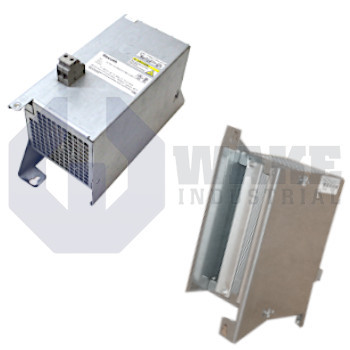
Wake Industrial LLC is not an authorized distributor of this product.
MPN: R911318339
No Tariffs On US Orders- Straightforward Pricing: No Rush Fees, No Credit Card Fees
The Bosch Rexroth Indramat HLR01.1N-01K6-N18R0-A-007-NNNU is a brake resistor from the HLR Brake Resistors series. It has a braking power of 1.6 kW and a braking resistance of 34 ohms. The unit measures 649 mm in height, 185 mm in width, 120 mm in depth, and weighs 5.2 kilograms.


To contact sales for pricing and lead time:
Payment Methods


Shipping Methods


Our Credentials


Product Description:
The HLR01.1N-01K6-N18R0-A-007-NNNU is a stand-alone brake resistor produced by Bosch Rexroth Indramat for servo drive installations that encounter frequent deceleration cycles. As a member of the HLR Brake Resistors series, it connects to the DC link of an Indramat inverter and converts surplus electrical energy into heat so that the intermediate circuit voltage stays within safe limits. By providing this controlled energy dissipation path, the unit helps prevent overvoltage faults and protects both the controller and the connected synchronous motors during dynamic motion sequences.
The resistor offers a continuous braking capability of 1.6 kW, meaning it can absorb that thermal load whenever the drive regenerates power during routine stops. A nominal resistance value of 34 Ω is matched to the DC bus so that current peaks remain within the inverter’s transistor ratings. When a high-inertia axis stops abruptly, the module can accept up to 109 kWs of energy over a single event, and this transient capacity is available for a maximum pulse window of 3.3 s before cooling is required. For repetitive duty, the product has a maximum on-time of 120 s, which is the longest period the element may stay energized without exceeding its surface temperature limit.
Installation planning is aided by the physical outline. The housing stands 649 mm tall, spans 185 mm in width, and projects 120 mm from the panel surface, so adequate clearance for airflow must be provided on all sides. The aluminum fin structure weighs 5.2 kg, which allows direct mounting to a control cabinet while still providing useful thermal mass between braking cycles. Its finned enclosure is intended to release heat after regenerative events, so open space around the resistor is important during panel layout.









