

2AD132C-B35RA3-BS33-B3N1 Bosch Rexroth Indramat
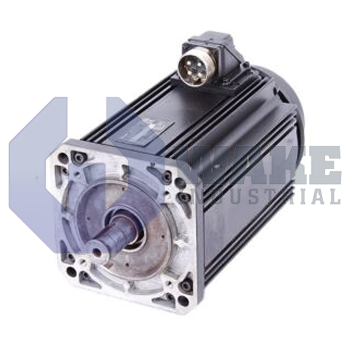
Wake Industrial LLC is not an authorized distributor of this product.
MPN: R911254160
No Tariffs On US Orders- Straightforward Pricing: No Rush Fees, No Credit Card Fees
The 2AD132C-B35RA3-BS33-B3N1 is a Bosch Rexroth Indramat brake designed for dynamic applications. With a transferable torque of 100 Nm and a brake moment of inertia of 0.002 kgm², it offers precise control and rapid response times. This brake is suitable for use in blower motor control systems with a nominal voltage of 3 x 400 V, 50 Hz.


To contact sales for pricing and lead time:
Payment Methods


Shipping Methods


Our Credentials


Product Description:
Bosch Rexroth Indramat manufactured the 2AD132C-B35RA3-BS33-B3N1. One of this brake's key features is its 100 Nm transferable torque. In physics, torque is a rotating force that tends to make an item rotate. The amount of rotational force this brake can use to slow down or stop a spinning shaft is known as the transferred torque. This high torque number shows that the brake can effectively decelerate the associated blower motor while supporting heavy loads. The braking moment of inertia, which is 0.002 kgm2, is another crucial factor. The resistance of an item to variations in its rotating motion is measured by its moment of inertia. Faster acceleration and deceleration are made possible by a decreased moment of inertia. In this instance, the low brake moment of inertia helps the brake react swiftly and accurately, allowing for fine control over the location and speed of the blower motor.
The nominal voltage required for the brake to function is 3 x 400 V, 50 Hz, which is a typical three-phase AC power supply seen in industrial environments. In blower motor control systems, this voltage rating guarantees compliance with the desired application. The brake's 70 ms brake lock delay and 110 ms brake release delay define its dynamic performance. The engagement and disengagement times of the brake are indicated by these figures, respectively. The constant torque at a standstill of 160 Nm shows the brake's capacity to support the load while the engine is not operating safely. This is crucial for maintaining system stability and safety by avoiding accidental movement or slippage. The maximum allowable brake energy of 30,000 Ws indicates the amount of energy the brake can absorb during braking operations before overheating. The brake's large energy capacity enables it to withstand severe and frequent braking cycles without sacrificing dependability or performance.
Under continuous operation, the brake takes 50 minutes to attain 63.2% of its eventual temperature increase, which is represented by the thermal time constant. This figure gives information on the brake's thermal properties and heat-dissipation capacity, which is essential for avoiding overheating and guaranteeing long-term dependability. The voltage needed to activate the brake is specified by the brake connection voltage of DC 24V±10%. The brake's electromagnet is energized by this DC voltage, which is usually provided by a different control circuit and enables the brake to engage or disengage. The speed at which the brake's torque production starts to drop is indicated by the derating speed of 1150 rpm. The minimum wire size needed to connect the brake to the power source is specified by the minimum cross-section of the power connection, which is 16 mm².
Frequently Asked Questions about 2AD132C-B35RA3-BS33-B3N1:
Q: What is the brake's response time for lock and release?
A: The brake features a lock delay of 70 ms and a release delay of 110 ms, ensuring fast operation.
Q: What is the nominal voltage required for this brake?
A: The brake operates with a nominal voltage of 3 x 400 V, 50 Hz.
Q: What is the transferable torque of this brake?
A: The brake offers a transferable torque of 100 Nm.
Q: What is the brake moment of inertia?
A: The brake has a moment of inertia of 0.002 kgm² for precise control.
Q: What is the maximum permissible brake energy?
A: The brake has a maximum permissible brake energy of 30,000 Ws, ensuring efficient operation.









