

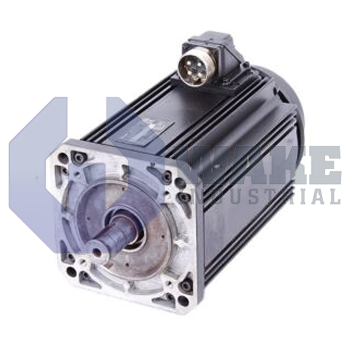
2AD100D-B05OB2-AS13-A2N1 Bosch Rexroth Indramat
Wake Industrial LLC is not an authorized distributor of this product.
MPN: R911265907
No Tariffs On US Orders- Straightforward Pricing: No Rush Fees, No Credit Card Fees
Current response time:
5 Minutes
27 Seconds
Bosch Rexroth Indramat AC Motor in the 2AD Series. This Motor is an Asynchronous Motor Type that has a Motor Size of 100, and a Motor Length of D."


To contact sales for pricing and lead time:
Payment Methods


Shipping Methods


Our Credentials


Product Description:
The 2AD100D-B05OB2-AS13-A2N1 is an Indramat motor made by Rexroth Bosch as an advanced variant of the 2AD asynchronous motor series. The 2AD series motors have a wide speed range, can operate in a variety of temperatures and elevations, and are available in two versions for various mounting configurations. They also have an output shaft, feedback connections for motor and input power, a blower, and an electrically released or clamped holding brake. Different motor frame sizes have different functional characteristics, such as mass, holding torque, and sound pressure level.
The 2AD100D-B05OB2-AS13-A2N1 motor has a flexible external B05 or flange mounting. This mounting is considered neater and easier than foot mounting. The motor runs at asynchronous speed with the help of an alternating current input and a squirrel cage rotor. Efficiency is the primary advantage of utilizing a squirrel cage rotor. This asynchronous motor is extremely efficient, which means it can turn more of its energy into producing torque. The motor is built to support large loads with an advanced surface cooling system. An axial blower with great efficiency and power is utilized for this. The axial fan is lighter because of its low-pressure output.
The speed of the motor is limited by the type of bearings. To speed up the motor, it has standard bearings and a plain shaft without any sealing ring or shaft end. Standard bearings have a basic design, a low operating temperature, and minimal friction, and have a longer lifespan than other bearings. There is also minimal maintenance downtime because they don't need extra lubrication after installation. To ensure that the bearing and shaft loading limitations are not exceeded, the machine structure and motor design must be complemented and properly fitted to one another.









