


X20BM11 B & R Automation
Wake Industrial LLC is not an authorized distributor of this product.
- Straightforward Pricing: No Rush Fees, No Credit Card Fees
Current response time:
5 Minutes
5 Seconds
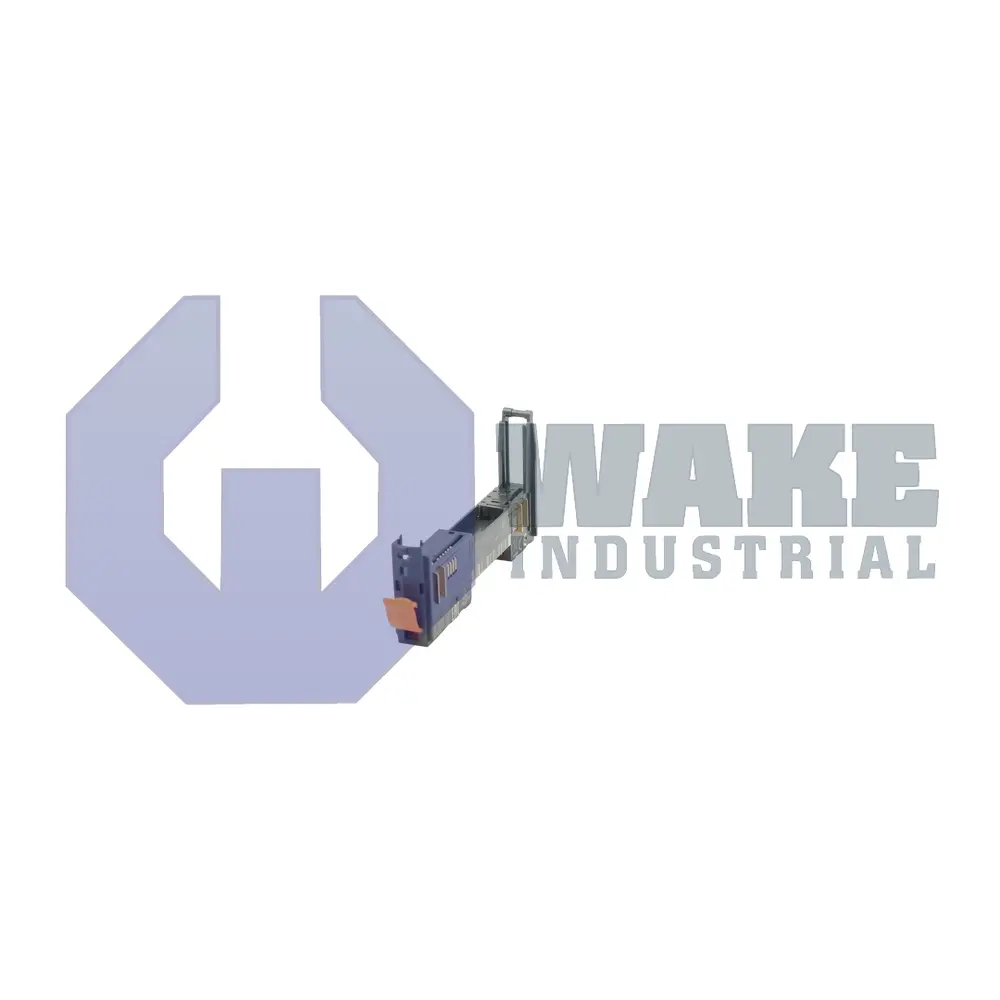
The X20BM11 is a bus module produced by B & R Automation as part of the X20 Fieldbus Input Output Modules series. It requires a bus power of 0.13 W and operates with a keying voltage of 24 VDC. The module features bus data contacts, I/O supply contacts, and supports parallel power modules.


To contact sales for pricing and lead time:
Payment Methods


Shipping Methods


Our Credentials


Product Description:
The X20BM11 is a bus module manufactured by B & R Automation within the X20 Fieldbus Input Output Modules series. Installed at the start of an I/O node, it provides the mechanical and electrical base on which signal and power sub-modules are stacked. In distributed control systems the unit’s purpose is to bridge the fieldbus trunk with discrete and analog channels so that process variables, actuator commands, and diagnostic bits move efficiently between machinery and the primary controller. Because it holds the backplane communication lines, removing or inserting downstream slices does not disturb the network segment.
Physically, the device is identified in the catalog as a bus module, a designation that signals it contains no user I/O circuitry but instead manages communication and voltage distribution. It operates as an active bus station, so its onboard logic regenerates signals and assigns a unique address to the node. Two rows of bus data contacts pass serial information to every attached slice while consuming only 0.13 W of internal bus power, a low draw that minimizes cabinet heat. A keyed connector rated at 24 VDC prevents accidental insertion of higher-voltage supplies and provides the reference potential for downstream electronics.
System wiring is simplified by integrated bus supply contacts that carry the 24 V distribution line along the slice stack without external jumpers. Separate I/O supply contacts are provided so that sensor and actuator feeds remain galvanically isolated from logic power. These feeds are carried straight through the carrier, a topology described as connected through, allowing uninterrupted power even when a module is replaced. For higher current loads, the platform permits parallel power modules, enabling multiple feed-in points so voltage drops are kept within tolerance across extended racks.









