


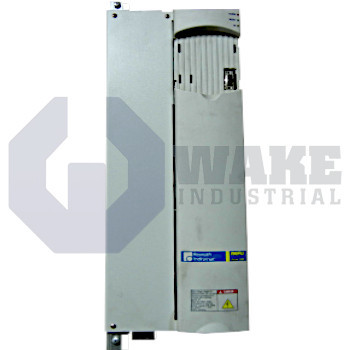
RS51.1-4G-003-L-NN-FW Bosch Rexroth Indramat
Wake Industrial LLC is not an authorized distributor of this product.
MPN: R911200134
No Tariffs On US Orders- Straightforward Pricing: No Rush Fees, No Credit Card Fees
The Bosch Rexroth Indramat RS51.1-4G-003-L-NN-FW is a basic drive from the RD 500 Drive Controllers series. It provides a rated power of 3 kVA and supports a voltage range of 380 to 480 V with a tolerance of ±10 percent. This drive features integrated mains filtering, built-in brake chopper and resistor, U/f curve control, and uses forced air cooling.


To contact sales for pricing and lead time:
Payment Methods


Shipping Methods


Our Credentials


Product Description:
The RS51.1-4G-003-L-NN-FW is a drive controller produced by Bosch Rexroth Indramat within the RD 500 Drive Controllers series. It serves as the power-processing section between a plant's AC mains and an induction motor, converting fixed-frequency energy into the variable output required for conveyor, pump, or fan automation. By integrating the gating logic, line interface, and cooling hardware in one housing, the unit simplifies cabinet layout. This arrangement also lets the drive regulate motor operation without requiring a separate external power conversion stage. It is intended for machines that use variable-speed control but do not need the complexity of a larger multi-axis platform.
The drive connects to a three-phase utility through a three-phase AC converter input and is specified for line voltages from 380 to 480 V. It can supply up to 3 kVA of apparent power to the motor, which suits small industrial equipment that needs steady speed control and normal starting performance. Incoming fluctuations are accommodated within a margin of ±10 %, so the unit can tolerate moderate supply variation during routine plant operation. The controller is built as a basic drive, so it focuses on core frequency and voltage conversion functions rather than optional expansion features. Its input arrangement matches standard industrial power distribution used in many control cabinets.
Speed regulation follows U/f curve control, which keeps the volts-per-hertz relationship stable across the operating range so the motor can maintain magnetic flux as speed changes. This control method is commonly used where simple speed adjustment is more important than high-dynamic servo positioning. Heat generated by the power section is removed by forced air cooling, so the installation space must provide clear inlet and exhaust paths for airflow. During rapid deceleration, excess kinetic energy is routed to the built-in brake chopper and resistor, which helps prevent DC-bus overvoltage without external braking components. Line-side emissions are reduced by an integrated mains filter, supporting cleaner operation on shared plant power lines.









