

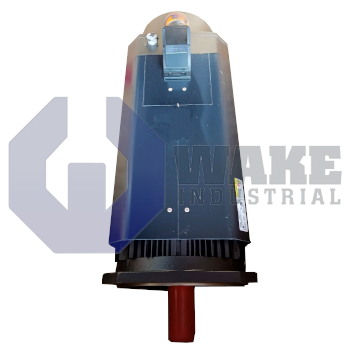
MAD160C-0200-SA-S0-LG0-35-N3 Bosch Rexroth Indramat
Wake Industrial LLC is not an authorized distributor of this product.
MPN: R911319335
No Tariffs On US Orders- Straightforward Pricing: No Rush Fees, No Credit Card Fees
MAD160C-0200-SA-S0-LG0-35-N3 Spindle Motor manufactured by Bosch Rexroth Indramat. This motor has a cooling mode with an Axail Fan, Blowing and a Singleturn Absolute, 2048 increments encoder. It also has a mounting style of Flange and a Standard bearing.


To contact sales for pricing and lead time:
Payment Methods


Shipping Methods


Our Credentials


Product Description:
The MAD160C-0200-SA-S0-LG0-35-N3 from Rexroth comes with various impressive features that make this servo motor a great choice for plenty of applications. This servo motor is designed to be used in conjunction with TDS, TDK, and other compatible industrial controllers, including Allen Bradley and Schneider Electric PLC systems. The servo motor can communicate with the help of a serial communication protocol such as RS-232 or RS-485. The compatible motor controllers can be seen on the manufacturer's website.
The 160C series in the MAD motor lineup is a special variant as it offers both high-speed and high-torque solutions to heavy-duty industrial systems, and MAD160C-0200-SA-S0-LG0-35-N3 is no exception as it comes with a high base speed of 2000 rotations per minute, which with the help of self-lubricating bearings can attain a maximum speed of 6000 rotations per minute, making this motor great for high-speed drilling applications operating the spindle of the drill. This servo is also great for operating gearbox systems of various industrial systems, as the rotational torque by this servo motor is around 210 Nm on average, while at a standstill or locked rotor torque the torque rating is 225 Nm, with a current draw of 100 amperes at standstill mode and 93.9 amperes at normal operating mode.
To mount this motor, Rexroth offers both flange mounting options as well as the foot mounting option. The foot mounting option requires a stable and heavy-duty surface to ensure rigid mounting of the motor. The flange mounting, on the other hand, helps ensure the load on the shaft of the motor remains centrally aligned to prevent the load from offsetting, which may end up causing the shaft to break or bend, or even cause the motor to wobble too much, resulting in unnecessary vibration of the servo.









